


Self-regulation and the Environment
One of the things that we can control at school, is the physical environment of the classroom. We found, through our Inquiry, that changes to the physical environment positively effected the behaviour of many of our students. After a few changes, we noticed that the noise level in the room was reduced and most of the students appeared calmer.
We read that for many people fluorescent lighting can be draining and can cause headaches. So whenever possible we would use natural light. When natural light was not enough we would turn on one bank of lighting, use a lamp, the light from the light table or battery operated candles to supplement the lighting and provide a softer more natural look and feel. Superintendent Newton Bateman wrote in the Journal of Education for Ontario in 1869, the “neglect of the common principles of optics in providing and arranging light in school-houses is a common evil.” As far back as the mid 1800’s, people were aware that natural light, especially from south facing windows played a role in accelerating academic learning. (For more information about nature and learning see the book, Your Brain on Nature by Eva M. Selhub MD and Alan C. Logan ND)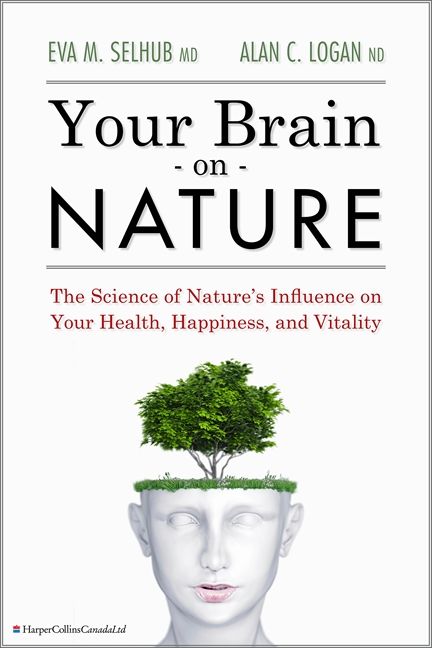 Today, we are very concerned about energy efficiency and less about how the human body is attuned to nature. When we are talking about lighting and windows, we should mention the benefits of opening the windows and allowing fresh air to flow through the room. A good flow of air keeps us all more alert and relaxed.
We tried to provide a calm and natural looking physical environment as much as possible. A classroom that looks more like a home. We started to choose colours from nature, beiges, browns, soft greens and blues. We can’t paint our classroom walls but we can paint the bulletin boards in beige, we can drape natural coloured table cloths over some tables, and make use of wicker baskets to give a homey feel.
We added more and more plants to the classroom. The use of plants creates a calm feeling and has been shown to directly effect self-regulation, learning and health. Japanese research has shown that adding just 4 potted plants to a work area improved memory recall and complex proof-reading abilities in participants. Other research shows that viewing vegetation can inhibit impulsive behaviour and is linked to greater scores of self-control. (Selhub, M. p. 74-76)
We tried to keep our room orderly and free of clutter as much as possible. We found that getting rid of some tables and using only what we really needed was helpful and opened up the space. (We do face a continuing battle with clutter on the counters since Full Day Kindergarten is a busy place.) In the centres we put out select toys and manipulatives. We choose the toys purposefully to help focus and guide the children in their learning. We add and take away as necessary using the philosophy that the environment is the third educator in the room. We never want to have an excess of toys or manipulatives because it becomes overwhelming for the children and doesn’t help to focus learning.

Some students find noises overly distracting. Since we have 28 active children in a small space, this distraction can be a little difficult to overcome. We have found that using fabric helps to minimize sound a bit. We put nature-coloured tablecloths on some of the tables, we have a washable carpet on the floor in the block centre, and have pillows and cushions around the room. If chair noise is a problem, tennis balls on the chair legs does help minimize the scraping noise. We also have a “hiding” place where students can go to find a little quiet. This special spot is covered in brown fabric and has blankets and pillows inside. It is a perfect little get-away. We also try to teach the children to use indoor voices and to speak respectfully to one another.

Young children are drawn to sensory experiences and we have found that having fabrics in different textures available for the students to explore and play with helped to calm them, perhaps because it is such a pleasurable experience. Pleasurable experiences create positive energy which helps increase self-regulatory behaviour. Changing both the dry and wet sensory bins often is also helpful. New experiences keep the children interested and engaged.
We found that changes to the physical environment, greatly impacted some students and impacted others to a lesser degree, however, having a more home-like environment did make a noticeable difference to the energy levels in the room. We found our students overall, to be calmer, more focused, and happier. Many people who come into our room respond that if feels very Zen-like and that they feel calm and relaxed. (We do have to admit though, that there are some days that are definitely devoid of Zen and full of crazy!)
- The information shared within this blog has been collected and shared through what we have learned from our own classroom experiences. Networking is key! We can learn so much from other through dialogue and conversations. Thank you to all those we have learned from along the way!
- As some links shared above may no longer be active, this blog is in the process of being updated.
Written by:


Advertisement
Looking for a perfect gift, or beautiful pieces to decorate your home or classroom, check out Sweet Peach Creative.






 Journey Together FDK