
2016
The Kindergarten Program Document states:
Assessment is the process of gathering and interpreting information that accurately reflects the child’s demonstration of learning in relation to the knowledge and skills outlined in the overall expectations of The Kindergarten Program. The primary purpose of assessment is to improve learning and to help children become self-regulating, autonomous learners.
(Growing Success – The Kindergarten Addendum, 2016, p. 6) (p.35)
DOCUMENTATION
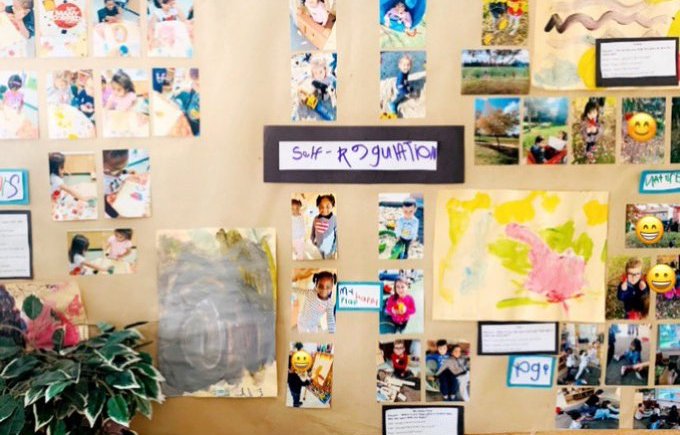
Documentation is the process of making learning visible – to the educators, to the student, to the parents, and to others involved.
The Full Day Kindergarten draft document acknowledges that observation is the most important method for gaining assessment information about the children and observation should be the primary assessment strategy used. (see p.30)
Documentation provides an accurate and detailed record of the ongoing evidence of a child’s efforts and learning. Team members’ observations are captured through notes, pictures, and videos and supplemented by the child’s own representations. Parents can contribute to the documentation by sharing their understanding of learning that happens at home. (The Full –Day Early Learning Program Draft Document P. 2)
When we talk about documentation we are talking about the process of learning, not just the product. Documentation is telling the story of the learning!
An effective documenter is an objective observer. As co-educators in the classroom, what we need to do is capture the learning as it is happening and analyze it later together. We find that having a camera handy and ready to go is an effective way to capture the learning in the moment, through still photos and through video recordings. One of the first things that we do in September is have image release forms signed and talk to the parents about how we capture learning through photos. We want to make them aware of how effective this strategy is and let them know that we share the learning with the school and parent communities through documentation panels and newsletters.
Documentation is a process that allows educators to gather information about what children are thinking, doing and understanding. As observers, we gather information through:
* Photographs of children at work or an event
* Video and audio recordings of children alone or interacting with each other
* Samples of children’s work
* Individual children’s comments
* Transcriptions of conversations during group times
* Educator’s observations about an event, experience, or development
* Parent’s comments and observations
Documentation allows educators to ascertain where the children are, plan next steps, generate continued interest and create a history of the learning. Documenting is done daily and provides data for the educators to study.
When we are documenting we are trying to capture what a child CAN do.
Documentation allows educators to revisit learning with children. To reflect on the learning and plan next steps together.
Some ways to share documentation are:
Documentation Panels
Journey Books
Learning Stories
Newsletters
- The information shared within this blog has been collected and shared through what we have learned from our own classroom experiences. Networking is key! We can learn so much from other through dialogue and conversations. Thank you to all those we have learned from along the way!
- As some links shared above may no longer be active, this blog is in the process of being updated.


 Journey Together FDK