
2016
The Kindergarten Program Document states:
A classroom that is functioning successfully as a third teacher will be responsive to the children’s interests, provide opportunities for children to make their thinking visible, and then foster further learning and engagement. (Original quote: Fraser, 2012, p. 67) (p.29)
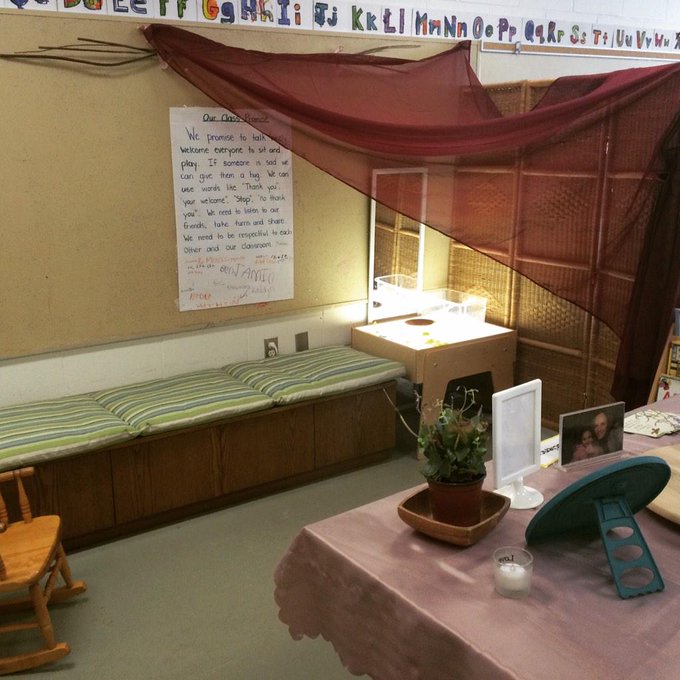
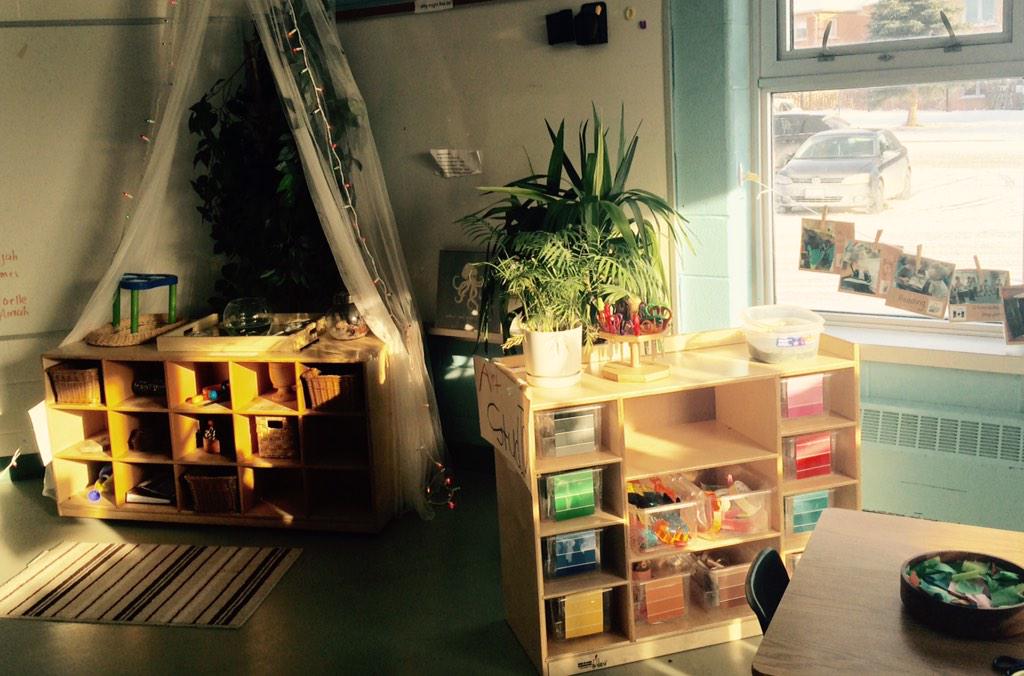
“…view the school as a living organism. A place of shared relationships among the children, the teachers, and the parents. The school produces for the adults, but above all for the children, a feeling of belonging in a world that is alive, welcoming and authentic. (Malaguzzi, 1994, p.58)
Creating an environment for the children that is calm, nurturing and provides a sense of security is important on so many levels. Children should feel welcomed, cared for, respected, secure and experience a sense of belonging within their classroom/school environment. The use of the environment as a third educator comes from the Reggio Emilia Philiosophy. This philosophy of early childhood has been very useful so far in our planning and our approach to teaching . For more information on the Reggio Emilia approach you can visit sites such as http://www.reggiokids.com/about/about_approach.php .
Children should be relieved of stresses. The importance of minimizing stress will be further explained in our upcoming page entitled “Our Inquiry into Self Regulation”. The less a child feels stress the more positive energy they will have available for learning. Stressors in terms of environment could relate to lighting, colors and materials. The following is a list of effective strategies to get you started!
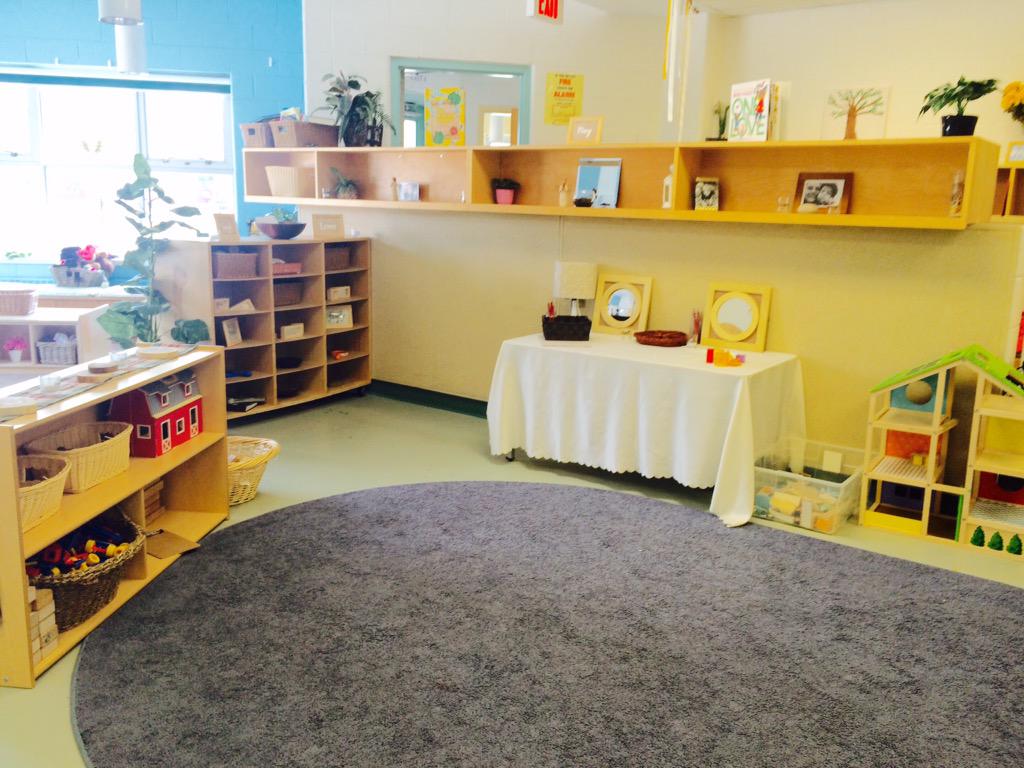
* Open your curtains, allow the natural light to be your main source of lighting in your room.
* Open your windows and allow for healthy movement of air
* Use mirrors, and materials that will reflect the natural light
* Bring the outside in! Use natural materials to decorate your classroom, and within the centres. (i.e. use sticks to paint, leaves to glue, stones and sticks to build etc)
* Minimize clutter! Too much choice can be overwhelming and help to create a large mess and in turn chaos!
* Provide resources and materials that promote learning and discovery.
* Use earth tones when choosing colors for tablecloths and paint for bulletin boards.
Your room, in the beginning, should look like a “clean slate” or an unpainted canvas. It should be seen as a work in progress that will evolve as children and educators create the learning environment together.
Frame the children’s artwork and display for children, parents and educators to admire.
Frame family pictures and create family boards the children can use and go to. This will comfort the children and also make parents feel more welcome and valued as their child’s primary educator.
“We place enormous value on the role of the environment as a motivating and animating force in creating spaces for relations, options, and emotional and cognitive situations that produce a sense of well-being and security.” Loris Malaguzzi, Ita
CLASSROOM RESOURCES
Every Full Day Kindergarten Program is different, and should reflect the children and both educators in the classroom. The room should feel like an extension of home for children and educators (this mind set will help you to choose colours you may want to paint on bulletin boards etc.). Each September should begin as a “clean slate”. Natural colours, natural resources and light. It will be the learning, the inquiries, and the children’s creations that will document the learning experiences throughout the year and decorate your room.
A classroom resource list could include;
– plants
– baskets
– table cloths
– curtains (if needed)
– fabrics and materials throughout – cozy corners, reading nooks etc
– natural stones
– mirrors
– candles (battery operated from dollar store work well)
– reflective stones
– ribbon
– washable placemats- for creative and/or sensory experiences
– outdoor materials- pine cones, acorns, branches etc (please keep in mind any allergies present in your room to maintain safety of all children)
– framed pictures of children and educators with their families (adds comfort and sense of belonging)
– recycled materials for all-purpose use and creativity within play (toilet rolls, bottle corks, pop can tabs…the options are endless)
– when ordering manipulatives, toys etc, choose natural! (wooden blocks, stainless steel kitchen utensils), not to eliminate plastic completely, but make “real” choices.
This list could go on endlessly! Please try and work alongside your teams next door or within your school, do not get doubles of everything, share resources!! This will make storage and clutter more manageable in each room.
* These materials and resources may or may not be covered by your start up budget, if you are buying with your own money, please take it slow…you do not have to spend hundreds of dollars to have it all in September, connect with your local community establishments, garage sales and build on what you have slowly.
* Pinterest has fabulous ideas shared by Educators everywhere: keywords- “Reggio classrooms”
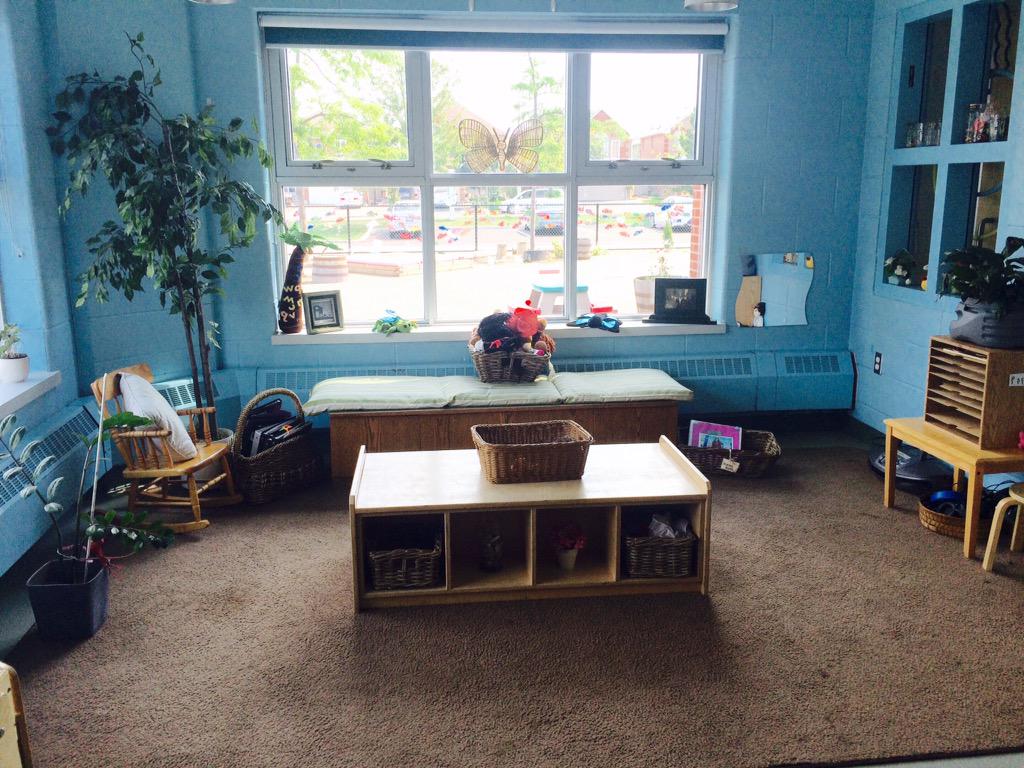
The photos selected for this page are examples of a classroom created by myself and my teaching partner Jane Posa.
- The information shared within this blog has been collected and shared through what we have learned from our own classroom experiences. Networking is key! We can learn so much from other through dialogue and conversations. Thank you to all those we have learned from along the way!
- As some links shared above may no longer be active, this blog is in the process of being updated.
 Journey Together FDK